

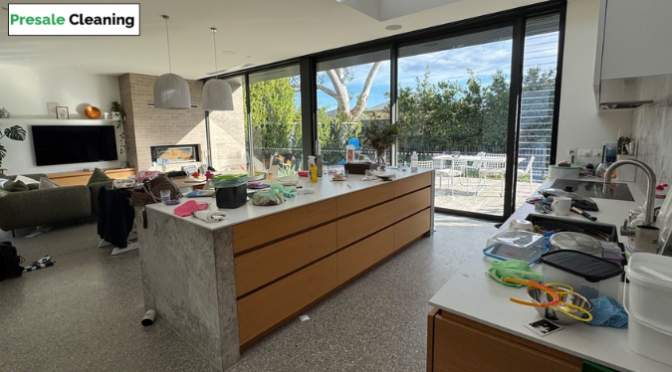
If your home isn’t getting offers, poor cleaning impact may be the reason. Buyers make fast, emotional decisions based on how a home feels, not just how it looks. Dust, smells, and grime can reduce trust, lower perceived value, increase stress, and make buyers think the home will be hard work. A properly cleaned home feels healthier, calmer, easier to live in, and more worth the asking price — which helps boost buyer interest and avoid a home not selling situation.
When your home goes on the market, you expect interest. You imagine buyers walking through, asking questions, and making offers. But sometimes, none of that happens. Inspections come and go, feedback is vague, and the home starts to feel stuck. This is often how a no offers property situation begins.
Most sellers immediately assume something major must be wrong. They question the price, the timing, or the state of the market. While those factors can matter, there is one issue that is often overlooked because it seems too basic to be important: cleanliness. In fact, this is one of the most common Melbourne real estate mistakes sellers make.
Not styling. Not renovations. Just cleaning, or more accurately, how clean the home feels to a buyer.
Poor cleaning does far more than affect how a home looks. It shapes how people feel, how they think, and how confident they are to make a decision. This poor cleaning impact often outweighs logic when buyers decide whether to proceed or walk away.
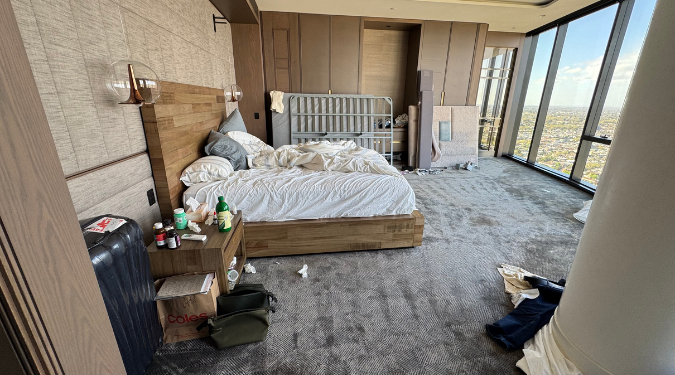
First impressions happen incredibly fast. Within seconds of stepping inside, buyers are already forming an opinion. This happens before they study the layout or listen to the agent. Their brain is simply asking how the home makes them feel, based on their home buyer expectations.
If a home feels fresh, bright, and well cared for, buyers relax. If it feels dusty, dull, or stale, caution sets in, even if they cannot explain why. Dirty windows, fingerprints on doors, dusty skirting boards, and tired bathrooms quietly suggest that the home has not been looked after properly. These subtle signs are classic property presentation issues.
Cleanliness also plays a big role in trust. Buyers do not just buy homes, they buy confidence. When visible areas are not clean, buyers often begin to wonder what else might have been neglected. They may question maintenance, hidden problems, or whether shortcuts have been taken over the years. These doubts are frequently caused by simple vendor cleaning errors rather than actual defects.
Health is another factor buyers pick up on, often without realising it. Dust, mould, pet hair, and dirty carpets can raise concerns about allergies, asthma, or dampness. A home that feels stuffy or heavy can quickly put buyers on edge. Families, older buyers, and those with health sensitivities are especially alert to these signs. A properly cleaned home feels safer and aligns with modern home buyer expectations.
Smell is one of the most powerful influences on buyer perception. Pet odours, cooking smells, damp scents, and dirty bathrooms can all linger. Sellers often stop noticing these smells because they live with them every day, but buyers notice immediately. Lingering odours are one of the fastest ways to end up with a home not selling.
Mental load is another hidden issue. Buying a home is already stressful. Buyers are thinking about finance, moving, schools, work, furniture, and budgets. When they walk into a home that feels unclean, their stress increases. They start thinking about how much cleaning they would need to do and how much work lies ahead. Clean homes support clarity and boost buyer interest by making the decision feel easier.
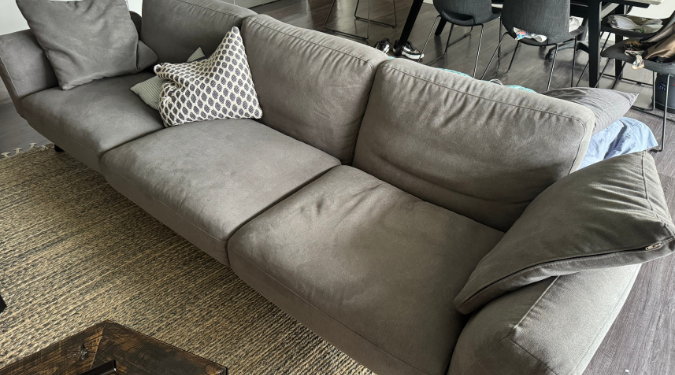
Emotion also plays a major role. Buyers imagine their future in a home. They picture family meals, quiet evenings, children playing, and friends visiting. A clean home supports these positive emotions. A dirty or poorly cleaned home creates emotional distance and makes it harder for buyers to connect, which is one of the most overlooked property presentation issues.
Families, in particular, notice cleanliness. Parents are quick to spot dirty bathrooms, sticky surfaces, marks on walls, and grime on handles. They imagine the effort required to fix it all while balancing work and family life. These concerns are often triggered by small but costly vendor cleaning errors.
Cleanliness also affects focus. Dirt and mess create visual noise, which makes it harder for the brain to relax. Buyers in unclean homes often feel overwhelmed and distracted, jumping from flaw to flaw instead of appreciating space, layout, and natural light. This weakens emotional engagement and reduces buyer interest.
Mood and energy matter too. Clean spaces feel brighter and more uplifting. Dirty spaces feel heavy and draining. Buyers naturally gravitate toward homes that lift their mood, which is why experienced sellers know to clean to sell rather than rely on price reductions.
All of this impacts perceived value. When a home is dirty, buyers mentally discount it. They expect more problems and more costs. This often results in lower offers, tougher negotiations, or prolonged campaigns that lead to a no offers property outcome. A clean home, however, feels move-in ready and better supports buyer confidence.
Many sellers believe tidying is enough, but tidying only hides mess. Cleaning removes it. Buyers notice grime, dust, grease, and marks even when a home looks neat at first glance. These details directly affect home buyer expectations and decision-making.
Poor cleaning also affects online photos. Dust, streaks, and dull surfaces show clearly in professional photography. That can reduce enquiry levels before buyers even book an inspection. This is one of the most costly Melbourne real estate mistakes, as it limits reach from the very beginning.
The cost of poor cleaning is often far greater than sellers expect. It can lead to fewer enquiries, shorter inspections, lower offers, longer selling times, and unnecessary stress. In many cases, sellers adjust the price when the real issue was cleaning and presentation all along.
Cleaning is not cosmetic. It is strategic. It shapes perception, builds trust, and supports positive emotions. Knowing when and how to clean to sell is one of the simplest yet most effective Melbourne property tips for sellers.
If your home is not getting offers, it may be worth looking beyond price and marketing. Ask whether the home feels fresh or tired, cared for or overlooked, easy or overwhelming. Buyers may never comment on cleanliness, but it influences every part of their decision.
Sometimes the biggest difference is not a renovation or a price change, but addressing small presentation gaps and following proven Melbourne property tips that help buyers feel confident enough to say yes.
If you’d like guidance on how cleaning can improve your home’s presentation before selling, you can speak with the team at Pre Sale Cleaning. Call 03 8583 9105, email presalecleaning@gmail.com, or visit presalecleaning.com.au to learn more.
Key Takeaways
- Buyers form opinions about a home within seconds, and cleanliness strongly influences that first impression
- Poor cleaning can reduce trust, raise doubts about maintenance, and make buyers hesitate
- Dust, smells, and grime affect buyer health perceptions, comfort, and emotional connection
- Unclean homes increase mental stress for buyers and make the property feel like hard work
- Families are especially sensitive to cleanliness and often notice details sellers overlook
- Clean homes feel brighter, calmer, and more valuable, which supports stronger offers
- Tidying is not the same as cleaning; buyers notice deep-clean issues quickly
- Poor cleaning can lead to fewer enquiries, lower offers, and longer time on the market
- Cleaning is not cosmetic — it is a strategic part of selling well
Case Study 1:
The Inner-Suburban Family Home With No Offers After Three Weeks
When a family in Melbourne’s inner suburbs listed their three-bedroom home, they were confident it would sell quickly. The location was strong, the price guide was in line with recent sales, and the agent had organised professional photography. Yet after three weeks on the market, the property had become a no offers property.
Inspections were steady, but feedback was vague. Buyers described the home as “nice, but not quite right”. Some stayed only a few minutes. Others didn’t return for second inspections. This left the vendors confused and anxious, especially as they had already purchased another property.
At first, they assumed it was one of those common Melbourne real estate mistakes, such as overpricing or poor marketing. However, the agent noticed a pattern. Buyers weren’t criticising the layout or condition. Instead, they were quietly distracted by the presentation.
The issue turned out to be property presentation issues caused by overlooked cleaning. The home was tidy, but not deeply clean. There was dust on skirting boards, fingerprints on doors, dull bathroom grout, and lingering cooking smells. These were classic vendor cleaning errors that the family no longer noticed because they lived there every day.
From a buyer’s perspective, these details conflicted with home buyer expectations. Buyers felt uncertain. They wondered whether the home had been maintained properly, even though structurally it was sound. The poor cleaning impact created doubt and emotional distance.
After addressing the cleaning properly and preparing the home to truly clean to sell, inspections changed. Buyers stayed longer, asked more questions, and commented that the home felt fresh and easy to move into. Within the following inspection cycle, the property received two competing offers.
This case highlights how a home not selling is not always about price or the market. Sometimes, small but meaningful cleaning gaps are enough to stall buyer confidence. One of the simplest yet most effective Melbourne property tips is recognising that buyers respond to how a home feels, not just how it looks online.
Case Study 2:
The Investment Property That Looked Fine Online but Failed to Convert Buyers
An investor selling a Melbourne townhouse expected a smooth campaign. The property photographed well and attracted strong online interest. However, after multiple inspections, the result was the same every weekend: plenty of foot traffic, but no offers.
The seller assumed buyers were being cautious due to interest rates. However, this was another example of a home not selling due to an overlooked factor rather than market conditions.
The issue became clear when the agent reviewed buyer behaviour. People arrived interested but left quickly. Several commented that the property “felt tired”. This is a common sign of poor cleaning impact, especially in investment properties where cleaning standards often differ from owner-occupied homes.
In this case, the townhouse had accumulated dust in corners, dirty windows, worn bathroom surfaces, and odours from previous tenants. While these may seem minor, they directly clashed with modern home buyer expectations. Buyers assumed extra work, extra cost, and extra effort.
These were not renovation issues. They were property presentation issues driven by cleaning alone. Buyers felt mentally overloaded and emotionally disconnected. For an investor hoping to boost buyer interest, this was a costly oversight.
Once the cleaning was addressed properly and the property was prepared with a true clean to sell mindset, the mood at inspections shifted. Buyers stayed longer, opened cupboards, and discussed rental or owner-occupier potential. Confidence returned.
The property sold shortly after, without changing the price guide. This case reinforces one of the most important Melbourne property tips for investors: if buyers feel uncertainty, they hesitate. If a property feels clean, cared for, and easy, they move faster.
FAQ: Why Isn’t Your Home Getting Offers? The Hidden Impact of Poor Cleaning
- 1. Why does pre-sale cleaning feel so overwhelming when I’m already trying to sell my home?
Selling a home is emotionally and mentally exhausting. Pre-sale cleaning often feels overwhelming because it comes on top of decluttering, inspections, paperwork, and life responsibilities. Many sellers underestimate how detailed buyers are and how deep the cleaning needs to be to meet buyer expectations, which adds pressure at an already stressful time.
- 2. Is pre-sale cleaning really different from my regular weekly cleaning?
Yes, pre-sale cleaning goes far beyond regular cleaning. Weekly cleaning focuses on maintenance, while pre-sale cleaning is about presentation. It targets the details buyers notice, such as skirting boards, grout, windows, light switches, bathrooms, kitchens, and areas that influence first impressions and perceived value.
- 3. Can poor cleaning really be the reason my home isn’t getting offers?
In many cases, yes. Buyers make emotional decisions quickly, and poor cleaning can create doubt, discomfort, or a sense that the home hasn’t been cared for. Even if buyers don’t say it out loud, cleanliness can directly affect confidence, perceived value, and whether an offer feels “safe” to make.
- 4. How does pre-sale cleaning help buyers emotionally connect with a home?
A properly cleaned home feels calmer, lighter, and more welcoming. This helps buyers imagine themselves living there instead of focusing on flaws. Emotional connection is critical in property decisions, and pre-sale cleaning removes distractions that block that connection.
- 5. I live in my home every day — how do I know what buyers will notice?
Living in a home makes it easy to overlook smells, dust, and small presentation issues. Buyers experience the home with fresh eyes and heightened sensitivity. Pre-sale cleaning addresses the areas sellers often stop noticing but buyers immediately pick up on.
- 6. Is pre-sale cleaning worth it if my home is older or not recently renovated?
Absolutely. Pre-sale cleaning does not require renovations to be effective. In fact, older homes benefit greatly from professional cleaning because it highlights care, maintenance, and pride of ownership, which helps buyers feel more confident about the property.
- 7. How does pre-sale cleaning affect online photos and inspections?
Clean homes photograph better, attract more online interest, and create consistency between listing photos and in-person inspections. When buyers see the same level of cleanliness in real life as they did online, trust increases and disappointment is avoided.
- 8. Can pre-sale cleaning reduce buyer objections during negotiations?
Yes. When a home is clean, buyers have fewer visible reasons to question value or ask for discounts. Clean presentation reduces perceived risk and helps negotiations focus on the property’s strengths rather than its shortcomings.
- 9. What areas of the home matter most during pre-sale cleaning?
Buyers pay close attention to kitchens, bathrooms, floors, windows, and high-touch areas like handles and switches. These spaces influence hygiene, comfort, and overall impressions more than sellers often realise.
- 10. How does pre-sale cleaning support a smoother selling experience overall?
Pre-sale cleaning helps create confidence, clarity, and momentum. It reduces stress for sellers, improves buyer experience, shortens decision-making time, and supports stronger offers by making the home feel cared for, ready, and easy to move into.
